Month: February 2024
Neurodiversity Is an Identity, Not a Disorder
Personal Perspective: We must reckon with how we see ourselves.
Posted January 14, 2024 Reviewed by Tyler Woods
KEY POINTS
- Neurodiversity and being Neurodivergent are identities, not medical labels.
- Living as a Neurodivergent person is more than living with disability. There is exceptionality and community.
- Neurodiversity is, to many of us, what Black, Jewish, or Latin are to people who embrace those identities.
Identity springs from how we internalize what we are, starting with our parents and continuing with what we learn from friends and teachers in school. Being Cajun ties us to a culture. Blackness comes from race, and Jewishness is an expression of our faith. All are widely recognized, though they mean different things to different people.
If those identities define who we are, other identities define what we are. Humans have long been recognized for their skills, be they hunters, blacksmiths, or engineers. Kids often find paths to adult vocations in childhood, giving them life goals to feel good about. They have a thing they want to be and an identity they wish to embrace.
Unfortunately, our schools have evolved in such a way that some kids learn what’s wrong before they have a chance to see what’s right. Feeling broken or defective can overshadow all other identities and leave us in a very difficult space where it’s impossible to build a good self-image. We have reached a point in America where brokenness is the largest identity community of all, though hardly anyone wishes to embrace that. Millions are proud to be Mexican, or Catholic, or just American. Who wants to grow up Broken and Deficient? Especially when written in capital letters, because that’s how we write identities? Yet that is the designation school functionaries and medical professionals assign to one in seven of us.
It’s tricky the way this happens. Teachers say, “Johnny is a little slow,” and “Mary needs special help.” Even at four years of age, we are wise enough to know there is nothing good for us in those words. Of course, teachers and parents see it differently when they later recall how we learned to read, or even to speak. They don’t see the psychic costs for us, being singled out in front of all the other kids.
School psychologists used a divide-and-conquer strategy, calling some of us dyslexic. Others were said to have ADHD. Some have autism, and others, PDD-NOS. Just saying we “have” these things makes it clear how undesirable they are. Those names put us in a dozen individual silos and prevent our coming together. Psychologists unwittingly added to the harm when they told parents, “We don’t know how this happens,” and parents assumed the worst, which was that their child’s difficulties were a result of their bad genes or their bad parenting.
Over the past 30 years, all that has led to the formation of two unhealthy identities: a generation of Broken Kids and the Warrior Moms who raised us. It has taken our growing of age to figure out what’s happened, and “Neurodiversity” is the result. Neurodiversity, and Neurodivergent people, are this community’s response to the one-sided medical models of autism, ADHD, and other inborn neurological differences that evolved in the 1990s with DSM-IV. According to the latest CDC statistics, one or more of these diagnoses is bestowed on almost one in seven children in America. Make no mistake: these labels are meant to define what’s wrong. But can so many people possibly be wrong? Might we simply be different? Might it be that it’s easier to marginalize us today, and let us fail, than help us be productive members of society, as we have been for thousands of years of human history?
THE BASICS
I believe we will look back on this moment—the emergence of neurodiversity—and see this as the moment we began to correct a wrong that was perpetrated on millions with the best of intent and the worst of results.
Today, our voices are too loud to ignore, and the educational and medical communities are grudgingly acknowledging the errors they made. They were correct when they identified problems many of us had in engaging other people or progressing through school. Where they failed was in seeing the exceptionalities that are also part of so many of us. They were quick to call us out as “too sensitive” when it came to the flickering lights in class or the hard sounds reflected by concrete walls. They failed to see how those same sensitivities made us stars as adults, from conducting music to engineering lasers. We’ve been called out for failing to progress in school, not because we are not capable, but because we have different learning styles. Rather than support us, schools have taken a “conform or else” approach, which has failed us badly.
Seeing our failures, critics double down, saying, “Not every neurodivergent kid will grow up to be a star.” That’s true. Nor will every Jewish kid be a star, but that need not take away their identity and their pride in what they feel they stand for. We are all deserving of respect and human dignity. Jewish kids have their own schools, and schools for Neurodivergent kids are now appearing. We can all thrive where we are supported. It’s not necessary or desirable to jam us all into one box.
As an adult Neurodivergent person, I recognize that some of my peers have greater skills, just as I have skills others lack. That observation is true for all of us, wherever our abilities may lie. We all deal with disability as we progress through life. Neurodivergent people, by virtue of our different brains, face disability from the beginning, as we struggle to communicate and interact with others whose brains work differently from ours. By recognizing our neurodiversity, we can grow up secure in the knowledge that we are more than just our disabilities. That does not mean we should not face our disabilities—we must do that—but we should do so while also building our strengths, for it is those that will make us stars.
NEURODIVERSITY ESSENTIAL READS
The Neurodiverse: Feeling Safe Being Me

The medical and educational communities thought they were helping us by identifying what was wrong. I believe they meant well, but it’s time to move on. The one-track public school teaching plans and the bestowing of psychiatric diagnoses to so many are not leading to the outcomes any of us hope for. It’s time to support how we learn best and celebrate our best selves instead of focusing on wrongness while forcing conformity.
One way to accomplish that will be to put more Neurodivergent people in roles that shape public policy, and that is happening slowly. It’s a long road, but I believe we will get there.
Reference: Neurodiversity Is an Identity, Not a Disorder | Psychology Today (ampproject.org)
LGBTQ+ and Neurodiversity
The intersectionality of LGBTQ+ identities and neurodiversity is an important aspect of human diversity and experience. Both LGBTQ+ individuals and those who are neurodivergent face unique challenges and experiences that can intersect in complex ways.
For example, individuals who are both LGBTQ+ and neurodivergent may face additional barriers to acceptance and understanding from society, as well as within their own communities. They may also experience discrimination and stigma from both ableist and heteronormative attitudes.
Furthermore, navigating relationships, social situations, and identity development can be particularly challenging for individuals who are both LGBTQ+ and neurodivergent. It’s essential to recognise and address the specific needs and experiences of individuals at this intersection, ensuring that they have access to supportive and inclusive environments where they can fully express themselves and thrive.
Promoting awareness, acceptance, and inclusivity within both LGBTQ+ and neurodiversity communities is crucial for creating a more equitable and understanding society for all individuals, regardless of their sexual orientation, gender identity, or neurodivergent status.
Sleep on It: ADHD & Diet


Sarah OsborneSarah Osborne• 2nd• 2ndOwner of So Nutrition. Nutritionist and Clinical Supervisor with a specialism in ADHD and Gut Health, IBS, Mood and Sleep. Personalized nutrition coaching and functional testing .Owner of So Nutrition. Nutritionist and Clinical Supervisor with a specialism in ADHD and Gut Health, IBS, Mood and Sleep. Personalized nutrition coaching and functional testing .
Very excited to announce that the brilliant podcast series, Sleep On It, is now available to tune into!
Vicki Beevers and the team at The Sleep Charity have worked so hard to put this brilliant series together.
I was delighted to talk to host Mark Thompson about the role that diet and nutrition can play in sleep 😴
Hope you enjoy.
Reference: (25) Sarah Osborne | LinkedIn
LGBT+ History Month 2024
What is LGBT+ History Month?
Who is UK LGBT+ History Month for?
LGBT+ History Month is for everyone; whether you work in education, a museum, a library or an art gallery, a business, a service, or are a member of a network/social group or an individual.
When is it celebrated?
It is celebrated every February across the UK and was founded in 2004 by Schools OUT UK co-chairs, Paul Patrick & Professor Emeritus Sue Sanders. It was first celebrated in February 2005.
Why was it founded?
For so long LGBT+ people’s history was hidden, following the repeal of Section 28 (link to Section 28,), UK LGBT+ History Month was created to:
- claim our past
- celebrate our present
- create our future
Reference: LGBT+ History Month 2024 – LGBT+ History Month (lgbtplushistorymonth.co.uk)
Keep your eyes out to see what we are doing at Amethyst Assessment Centre to celebrate LGBT+ history month

“Being autistic is like when a feather falls from the sky. It is something special and beautiful.”
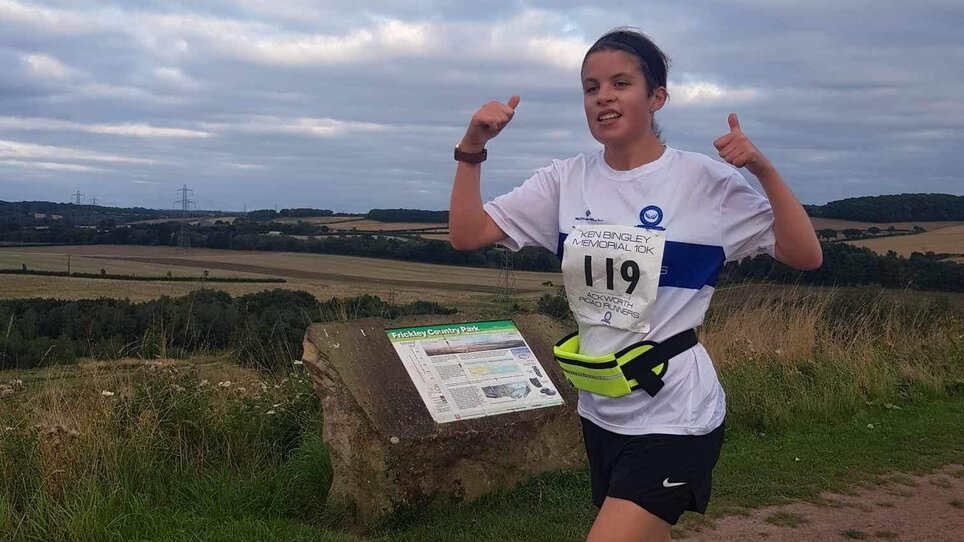
-Millie reflects on what being autistic means for her
In this Stories from the Spectrum feature, we meet Millie who is a member of the England Athletics Club and organises fitness and running classes. Millie explains what she enjoys about exercise and how it has helped her to build her confidence.
When did you first know or start to think you were autistic?
When I was at nursery, I did not speak much. When I went home, I barely spoke then, just a few words. This is when my family and I knew I might be autistic. For example, when other children were asked what drink they’d like, they would answer, whereas I would prefer to point as opposed to speak. My parents tried to tell me about autism at age five but I didn’t understand. When I was 13 I started to understand it more, and when I read the characteristics I could see how my personality matched to that.
If you received a diagnosis, what was the process like for you? If you are self-diagnosed, how did you decide to follow this route?
I remember the doctor who diagnosed me. It was quite a relief to know the condition, some conditions you can get mixed up with so good to know what I have. After the diagnosis, it was quite emotional too. Thinking about the teachers in the past who did not really understand, it was good to know that this would help in the future. I had my speech and language therapist who would help me with games and would help with my speech, knowing I had an autism diagnosis.
How did you get involved with athletics?
I have been part of my local running club for a long time and through this I have made a lot of great friends. I first got involved through athletics whilst I was watching cricket at the local athletics club, I saw a sign about joining and I thought to myself ‘why don’t I give it a go?’ – so I did! The first time I went, I thought these were a really nice bunch of people and I have a good judge of character! Since then, I go running two times a week.
How does exercise help you, and what inspired you to start organising exercise classes?
I go to training on Thursday and park run on Saturdays, which is great for my mental health and physical wellbeing. I recently completed my first half marathon – Sheffield Half Marathon, within two hours, 46 minutes 10 seconds. Through my passion for running, I decided to join the England Athletics Club. I wanted to join this, as it’s aimed at coaches and involves lots of different sports, such as javelin. They are based in Birmingham so I join virtually, as well as organising classes face to face.
Some people find it difficult to do their running activities face to face; if it is busy or crowded, it can be overwhelming. Therefore, I run some of the sessions virtually so they feel more comfortable. I organise warm-ups, a main class with another leader and have group meetings once or twice a week. Planning is important. I use the internet to get ideas and make it engaging, check the weather, carry out health safety checks (slipping etc.) and ensure we have an appropriate setting. This can be challenging, but if I am stressed, exercise helps – sometimes I jump on the spot to relieve my stress or count to ten.
Through my passion for running, I have been able to meet lots of people and practise mindfulness in really nice ways. You can see a photo of me on one of my runs! Through these experiences, I’ve developed mindfulness techniques and built my confidence with leading a group. All whilst improving my health at the same time!
What inspired you to start fundraising?
In my spare time, I enjoy fundraising. I have volunteered as a health citizen for St John Ambulance, where I raised money for Alzheimer’s Society through a social action programme. I did this by organising a raffle and doing a monthly step challenge of 10,000 steps. I think fundraising has helped with my overall happiness, it is very rewarding to bring awareness and include everybody in the fundraising activity. This is really great for developing my emotions. Sometimes I find it hard to say how I feel, so fundraising helps me to talk to people as well as encourage people to reach out and ask questions.
What advice would you give to other autistic people who are looking to start a new hobby?
Be aware of the environment and noisy crowds that you are in. Sensory differences can affect how much you can process.
What does being autistic mean to you? What impact does it have on your life?
Being autistic is like when a feather falls from the sky. It is something special and beautiful. Sometimes I do struggle to feel good about myself, or it takes a while for me to realise when I have done something good. This can be hard. Being autistic can also make me more direct, which is good for getting my point across… which also means I have a good sense of humour and means I am always smiling!
What is one thing you would like more people to understand about autism?
Our brains are wired differently, so we are unique. We view the world differently to other people. People think autism is just something that is unique to your mental thinking but it can actually also affect you physically, through things like coordination and balance.

Unprecedented demand for ADHD assessments – trust
James Pearson
Political Reporter, BBC Hereford & Worcester
- Published28 January 2024
Unprecedented demand for ADHD assessments in Worcestershire means people are waiting years to get support.
Herefordshire and Worcestershire Health and Care Trust said the county’s Community Paediatrics service faced an “unsustainable pressure” in referrals.
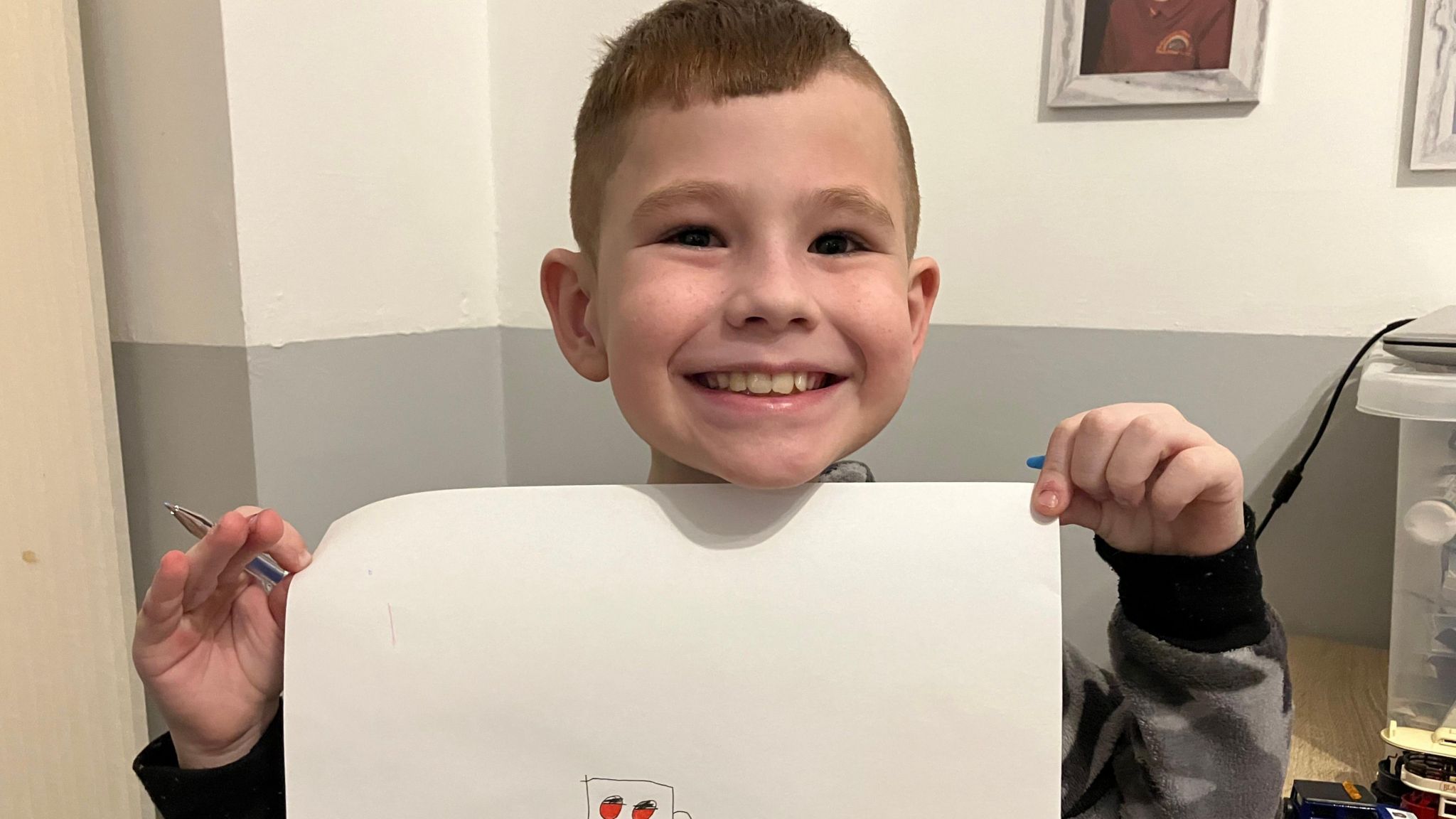
Nine-year-old Corey has an ADHD diagnosis and his family said medication had helped him at school. But they say they have been waiting five years for an autism assessment.
His dad said the long delay was emotionally draining.
The health and care trust said waiting times for all neurodivergence assessments had been made worse by an “unprecedented demand” for ADHD tests.
Thousands of adults in Worcestershire are currently seeking an assessment.
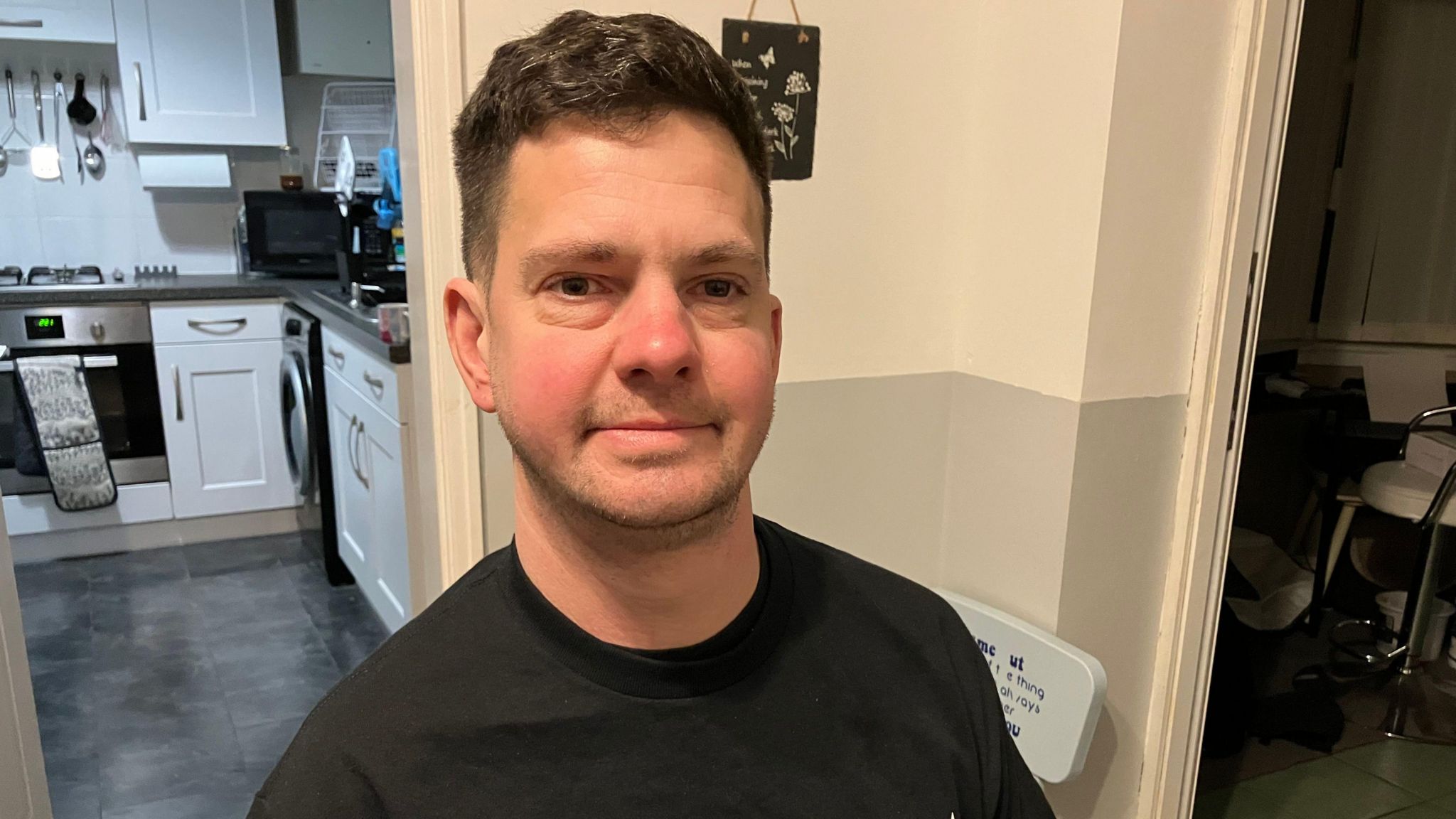
“People ask us why we’re pushing for [an autism] diagnosis. It’s because Corey’s known as the naughty kid, the disruptive kid, the mad kid… when he’s basically just a kid with extra needs,” said Corey’s father Adrian, of Stourport.
“I really don’t know why the NHS are dragging their feet,” he said.
“Any time you get an appointment, it’s then months before a follow up or letter.
“For the family it’s very hard. We feel with an autism diagnosis, he’ll get more help and more funding when he’s at school; more one-on-one time.”
Corey’s mother Sarah-Jayne said his medication had helped him concentrate better at school.
Many children in Herefordshire and Worcestershire may have to wait up to two years for an ADHD assessment, according to the area’s health and care trust.
At a board meeting this month, trust directors were told 60-70% of children referred to community paediatrics were presenting with a need for assessment for the disorder.
The trust said it was committed to reducing waiting times for all children, by increasing local capacity.
But it said providers across England were experiencing unprecedented demand.
It added children with the greatest need would be offered an appointment within two to eight weeks.
‘I’d never considered it’
Since the pandemic, more and more adults have also sought an assessment for ADHD.
An investigation by the national charity ADHD UK, external in October revealed more than 2,300 adults in Herefordshire and Worcestershire were waiting for assessment, with the longest wait at 108 weeks.
“I’d never considered it in my entire life. I thought ADHD related to children at school who struggled to concentrate. I’m almost 42,” said Neil Lawrenson, a Green city councillor in Worcester who received an ADHD diagnosis this month.
“The more I read, the more I realised the symptoms were applicable to me: struggling to concentrate, timekeeping, receiving verbal instructions,” he said.
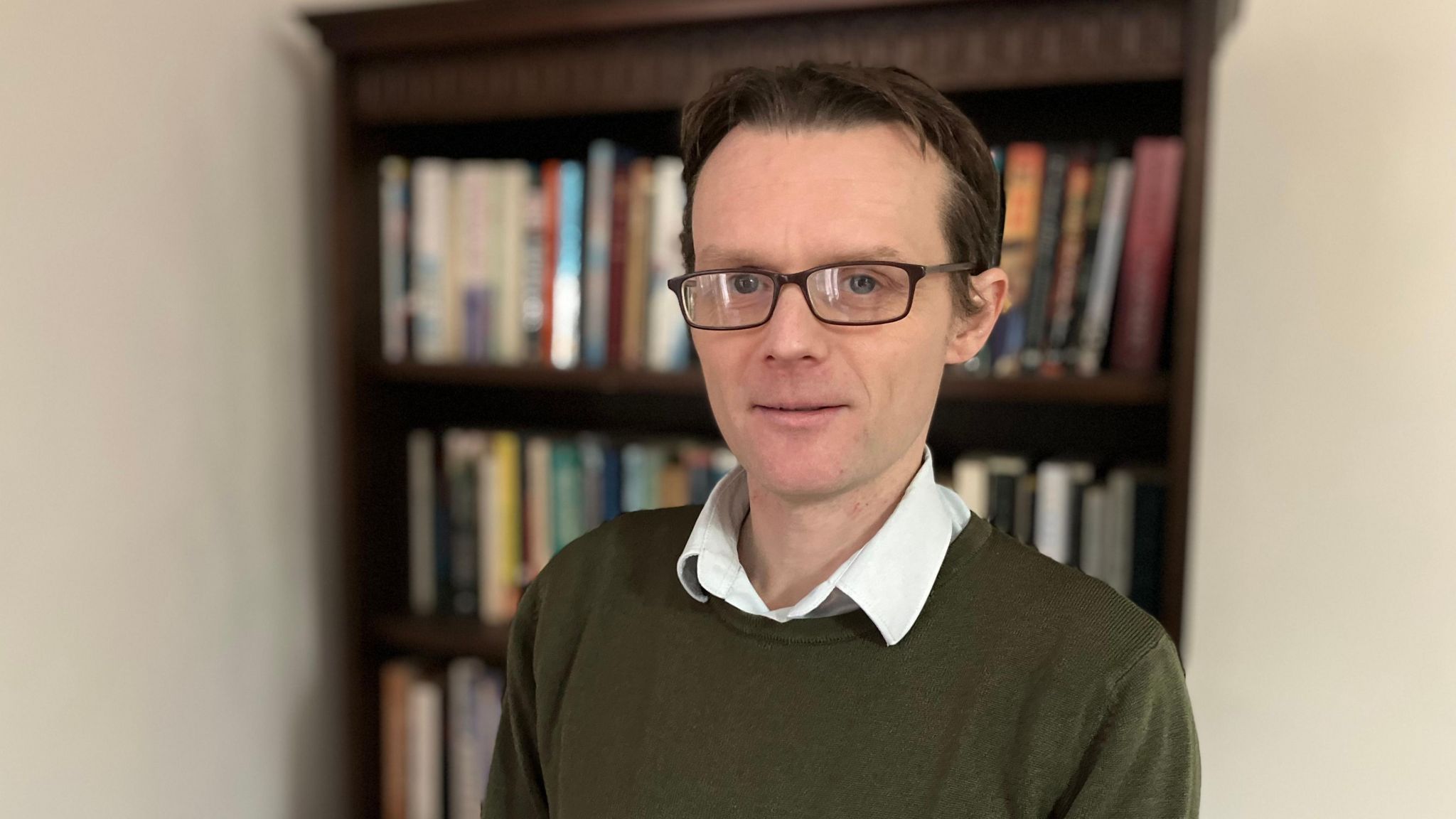
Rather than wait up to two years for an NHS assessor, Neil Lawrenson said he had made use of the NHS’s “Right to Choose” programme, external, which allows patients waiting more than 18 weeks for assessment to switch to an alternative provider such as a private or online practice.
“I’m at a point in my life when I feel that I need adjustments made, so that I can cope better in the workplace and [as] an all-round better human being.
“I think that because we’ve got this huge increase in demand for assessments, the NHS needs to think nationally about a different model for how we diagnose and assess people,” said Christine Price, chief officer of Healthwatch Herefordshire.
The patient body has just published research on the challenges of living with ADHD in the county, which highlighted a need for greater advocacy and support for adults and children, including reasonable adjustments from employers.
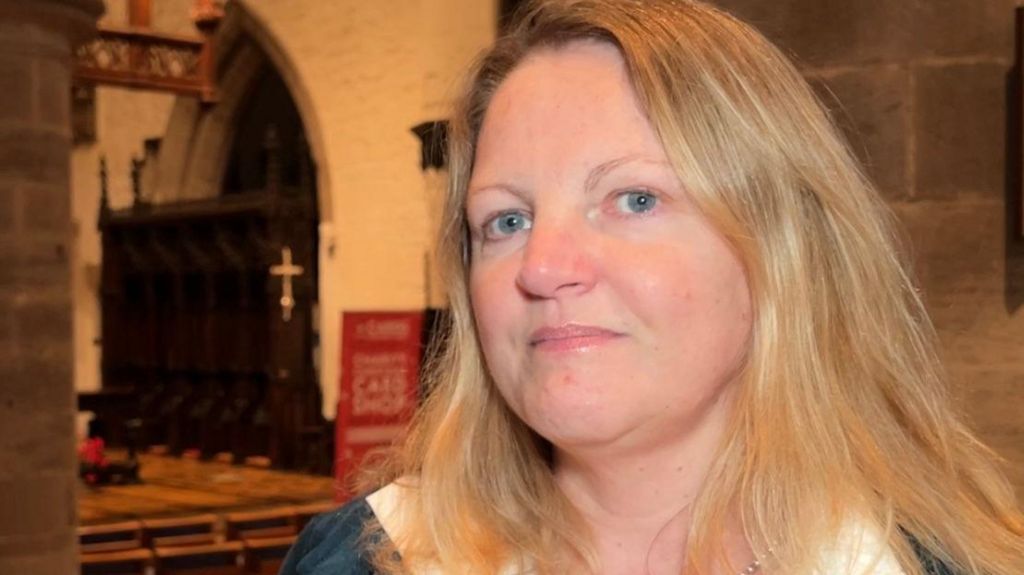
“Post diagnosis it’s quite difficult to get the support you need… from a therapeutic point of view… or with reasonable adjustments that people with ADHD would find helpful,” Ms Price said.
The health and care trust said it encouraged families with any concerns about the length of time they had been waiting to contact the service directly, so it could discuss the status of their child’s assessment.
Reference: Unprecedented demand for ADHD assessments – Worcestershire trust – BBC News
“Those who must not be forgotten”: Why the Mental Health Act needs to be reformed.

On Tuesday 7 November 2023, The Government’s promise of a Bill to reform the Mental Health Act was dropped from the King’s Speech. The next day, a four-year long enquiry led by Baroness Hollins was published, condemning the government’s failure to end the “inhumane treatment” of autistic people and people with learning disabilities.
Now, The Independent has highlighted Nicholas’ story. A 28-year-old autistic man, who for more than 10 years was trapped in dementia care units and A&E wards, abused by nurses and held in padded rooms.
Ella Pitt, Campaigns Manager at the National Autistic Society, has written an opinion piece in response to these events:
Those who must not be forgotten
It is Nicholas, and the thousands of autistic people who have been abused and permanently damaged by the failings of our mental health system, who have been most let down by the Government dropping the Mental Health Bill, which failed to be included in Tuesday’s King Speech. Despite enormous consensus behind the desperate need for reform, the 2,045 autistic people and people with a learning disability currently in mental health hospitals have been ignored.
This is a crushing disappointment. The Mental Health Bill wasn’t a complete solution to the issue of autistic people being locked up in mental health hospitals, but it did represent a big step forward on an urgent issue that we’ve been campaigning about for over a decade. We consistently hear tragic stories of the human rights violations that occur to autistic people being inappropriately detained in hospitals.
It’s hard to see what could be more worthy of Parliamentary time than addressing that autistic people are being inappropriately detained and abused in mental health hospitals, often for years on end. The average length of stay for an autistic person or person with a learning disability in a mental health hospital is five and a half years. Five and a half years of being sensory overwhelmed, miles away from familiarity in inappropriate settings, that provide no therapeutic benefit. Shelving this major piece of legislation makes it clear that the Government do not see the continued abuse of autistic people in these settings as a priority.
Only the day after the King’s Speech, Baroness Hollins wrote to the Health Secretary Steve Barclay about Independent Care (Education) and Treatment Reviews and highlights the harrowing circumstances that lead to the detention of autistic people and the almost total absence of the right kind of support in the community. It is completely unacceptable that today’s unsupported autistic child at school can so easily become tomorrow’s autistic person in crisis, condemned to solitary confinement within a mental health hospital. The Government knew the evidence, before this letter, and before the King’s Speech but has failed to act. Nearly 20,000 campaigners from the National Autistic Society and Mencap wrote to the Prime Minister just two weeks ago and they have been ignored.
Baroness Hollins’ letter also references the perpetual cycle of one autistic person being discharged from an overly restrictive setting only to be replaced by another. This pattern of continuous human rights violations will continue without the promised legislative reform that has now been abandoned. This cycle is all too familiar for those aware of the complete lack of progress we’ve seen on this issue over the last decade or more. How many more times must we hear about these human rights scandals and tragedies in documentaries and articles before this urgent issue is finally given the Parliamentary time it so desperately deserves? The Government needs to answer Nicholas, who has been in and out of hospitals for 10 years, “Why can’t I have a life? My only crime is being born with autism and a learning disability” .
We won’t let this issue be forgotten.
Reference “Those who must not be forgotten”: Why the Mental Health Act needs to be reformed. (autism.org.uk)